

- A complete loss of cooling or heating during extreme temperatures is always an emergency — especially with young children, older adults, or anyone heat-sensitive in the home, since indoor temps can turn dangerous within hours.
- Gas smells and carbon monoxide alarms are safety emergencies first, HVAC problems second — leave the home immediately and call from a safe location outside; don’t investigate further.
- Burning smells or repeatedly tripping breakers signal a fire risk, not just a comfort issue — shut the system off at the thermostat and breaker right away.
- Not every problem needs an after-hours call — reduced performance, minor noises, thermostat recalibration, and routine maintenance can safely wait for a scheduled appointment.
- A few simple steps protect the home while help is on the way — shutting off the system, closing blinds during a cooling emergency, and moving vulnerable family members to a safer part of the house.
Table of Contents
Table of Contents
Key Takeaways
It is 9 p.m. on a Tuesday in July and your AC just stopped blowing cold air. Or maybe it is a rare cold snap in January and your furnace will not kick on. In moments like these, every Gilbert homeowner asks the same question: does this need to be fixed right now, or can it wait until morning? Some HVAC problems are genuine emergencies that put your home, your family, or your equipment at real risk. Others are annoying but safe to schedule for the next available appointment.
What Actually Counts as an HVAC Emergency
Not every HVAC hiccup rises to the level of an emergency, and knowing the difference can save you from an unnecessary after hours call or, worse, from waiting too long on something that genuinely needs attention.
Complete Loss of Cooling During Extreme Heat
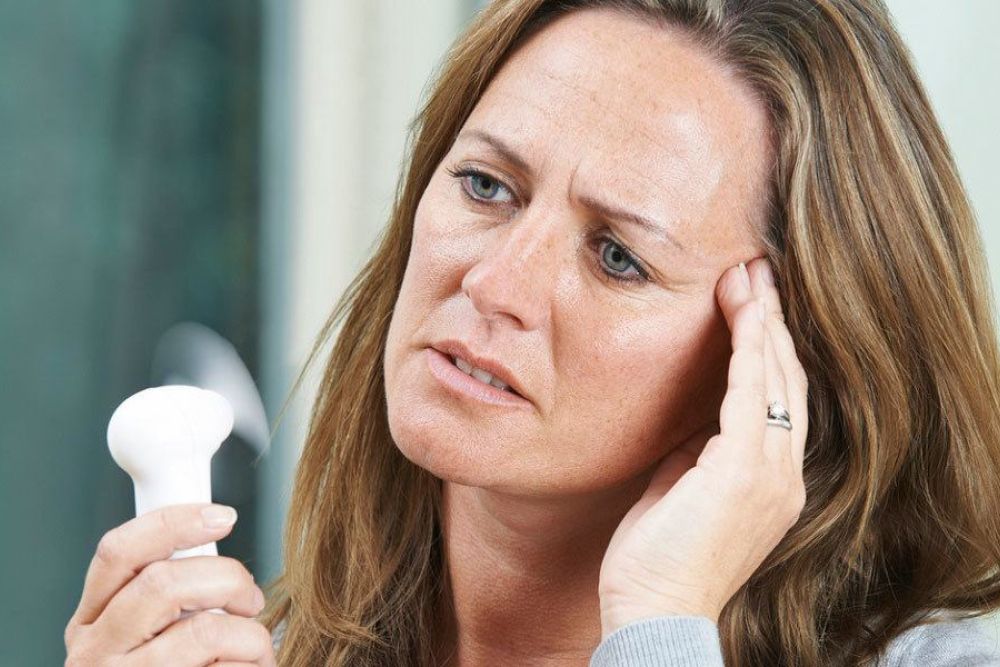
When your AC stops working entirely during a Gilbert summer, this is one of the clearest emergencies there is. Indoor temperatures can climb into dangerous territory within a few hours, especially for young children, older adults, or anyone with a health condition sensitive to heat. If your home has no cooling at all and outdoor temperatures are in the triple digits, this is not something that should wait for a regular appointment.
Gas Smells or Carbon Monoxide Concerns
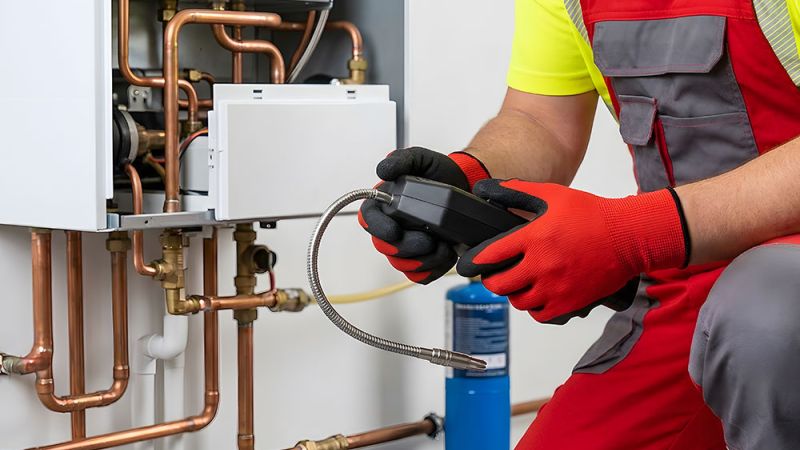
Any smell of gas near a furnace or water heater, or a carbon monoxide detector that goes off, should be treated as a safety emergency, not just an HVAC one. Leave the home immediately, contact your gas utility or emergency services, and call for professional HVAC help once you are safely outside. This is one situation where waiting even a short time is not worth the risk.
Burning Smells or Electrical Issues
A burning odor coming from your furnace, air handler, or thermostat wiring, along with breakers that keep tripping when your system runs, points to an electrical problem that can turn into a fire hazard if ignored. Turn the system off at the thermostat and the breaker, and treat this as an emergency rather than a wait and see situation.
Water Leaking Near Your Equipment
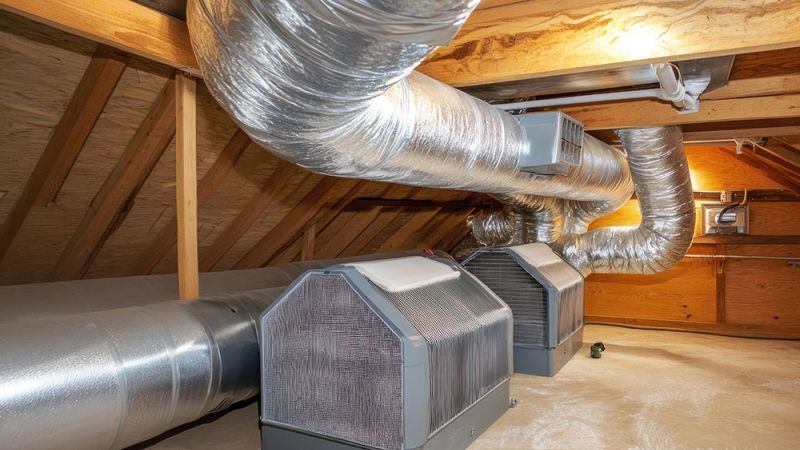
Water pooling around an indoor AC unit, a leaking water heater, or moisture showing up on a ceiling below an attic unit can cause real property damage the longer it continues. While this is often less urgent than a total loss of heating or cooling, it still warrants a same day call rather than sitting on the schedule for a week.
Situations That Can Usually Wait
Plenty of HVAC issues are frustrating without being emergencies. A few common examples that can typically wait for the next available appointment without putting your home at risk:
- Reduced cooling or heating performance: A system that is simply not cooling or heating as well as it used to, without a total loss of comfort.
- A slightly noisy furnace or AC unit: New sounds are worth mentioning to a technician, but on their own they rarely signal an urgent safety issue.
- A thermostat that needs recalibrating: An inaccurate reading is an inconvenience, not a hazard.
- Routine maintenance items: A dirty filter or a scheduled tune up that got pushed back a few weeks can wait for your next appointment.
Knowing this distinction matters just as much as recognizing a true emergency, since it keeps genuine urgent calls moving faster for the homeowners who need them most.
What to Do While You Wait for Help
If you are dealing with a true HVAC emergency, a few simple steps can help protect your home until a technician arrives. Turn off the system at the thermostat if you smell burning or notice electrical issues, and shut off the breaker if it is safe to do so. Keep blinds and curtains closed during a cooling emergency to slow indoor heat gain, and move any family members sensitive to temperature extremes, including infants, older adults, or pets, to the coolest or warmest part of the home available.
If a gas smell or carbon monoxide alarm is involved, leave the home first and call for help from a safe location outside. No HVAC repair is worth risking your family’s safety over.
Trust Ellsworth With Your HVAC Needs
Ellsworth Air Conditioning & Plumbing answers calls around the clock, with no evening or weekend upcharges, so a genuine emergency does not have to wait until regular business hours. If you are dealing with a total loss of cooling, a gas smell, or an electrical issue with your system, contact our team right away. For issues that can wait, our AC repair and heating repair teams can get you scheduled quickly, and our maintenance plans help catch small issues before they ever become emergencies in the first place.

Written By Ellsworth Air Conditioning & Plumbing
Expert HVAC and Plumbing Services
Since 2009, Ellsworth Air Conditioning & Plumbing has proudly served homeowners in Gilbert, AZ and surrounding areas, providing trusted, dependable home services that keep families comfortable year-round.